

Taj Mahal Night View Tickets – Complete Moonlight Viewing Guide for First-Time Visitors
The Taj Mahal is one of the most photographed monuments in the world, but very few people get the chance to experience its true magic after sunset. While millions of travelers visit during the daytime every year, the night viewing experience remains limited, exclusive, and unforgettable.
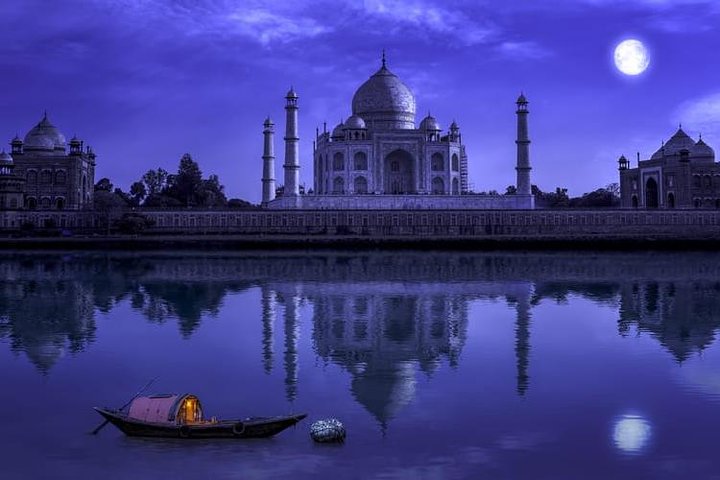
Seeing the Taj Mahal under the moonlight feels completely different from a regular tour. The crowds become quieter, the marble begins reflecting silver tones from the moon, and the monument looks almost unreal against the dark night sky. For many travelers visiting Agra, this becomes the most memorable part of their journey.
If you are planning to book Taj Mahal Night View Tickets, this detailed guide covers everything you need to know — including timings, booking process, best dates, rules, photography tips, history, and why this rare experience is considered one of the most beautiful night attractions in India.
What is Taj Mahal Night Viewing?
Taj Mahal night viewing is a special entry program that allows visitors to see the monument during selected moonlit nights every month. Unlike daytime entry, this experience is highly restricted and controlled by the Archaeological Survey of India (ASI).
Visitors are allowed inside in limited batches for a short duration during designated night slots. The viewing usually takes place from the main platform area where guests can admire the illuminated white marble structure under natural moonlight.
Since only a limited number of tickets are issued, the atmosphere feels peaceful and much more exclusive compared to daytime visits.
The experience becomes especially magical during full moon nights when the marble surface glows softly under the moonlight and reflects changing shades of silver, blue, and white.
Why is the Taj Mahal Night View So Famous?
The Taj Mahal was built using pure white Makrana marble, which naturally reacts to changing light conditions throughout the day. During sunrise, it appears pinkish. In daylight, it looks bright white. At sunset, golden tones begin appearing on the surface.
But during the night, especially under a full moon, the monument transforms completely.
The marble reflects soft moonlight in a way that creates a glowing effect, making the Taj Mahal appear almost dreamlike. Combined with the silence of the night and reduced visitor crowd, the experience feels emotional, romantic, and deeply peaceful.
Many visitors describe it as:
- Calm and surreal
- More romantic than daytime visits
- Less crowded and more premium
- Perfect for photography lovers
- A once-in-a-lifetime experience
This is one of the biggest reasons why Taj Mahal night viewing tickets are always in high demand.
On Which Days is Taj Mahal Night Viewing Available?
One of the most important things travelers should understand is that night viewing is not available every day.
The Taj Mahal night viewing experience is usually permitted for only five nights every month:
- Full moon night
- Two nights before the full moon
- Two nights after the full moon
However, availability may sometimes change due to:
- Security reasons
- Weather conditions
- Government restrictions
- ASI guidelines
- Religious observances
This limited availability makes the experience even more exclusive. Travelers planning their Agra trip specifically for moonlight viewing should always check the expected full moon dates in advance and book tickets early to avoid disappointment.
Taj Mahal Night View Timings
Night viewing generally takes place after sunset in multiple entry batches. Each visitor batch is allowed inside for a limited period, and entry timings may vary depending on the season and official guidelines.
The entire experience is organized carefully to maintain security and crowd control. Because of this, visitors are usually advised to:
- Reach the reporting point early
- Carry valid identification
- Follow assigned batch timings strictly
Late arrivals may face entry issues, so punctuality becomes very important.
How to Book Taj Mahal Night View Tickets
Booking night view tickets is different from booking normal Taj Mahal entry tickets. Because ticket availability is limited, many travelers prefer advance booking through reliable local travel providers who assist with:
- Reservation process
- Slot availability
- Ticket confirmation
- Entry coordination
- Local travel assistance
Booking early is strongly recommended, especially during:
- Winter season
- Full moon dates
- Holiday periods
- International tourist season
- Long weekends
When booking, visitors may need:
- Valid government ID
- Passport details for foreign tourists
- Travel date
- Number of visitors
- Contact information
Planning in advance helps avoid last-minute issues and increases the chance of getting preferred time slots.
What Makes the Night Experience Different from Daytime Visits?
Most people visiting the Taj Mahal during the day experience heavy crowds, long queues, loud tourist activity, bright sunlight, and hot temperatures during summer.
Night viewing feels completely opposite. The environment becomes quieter, cooler, and more peaceful. Since visitor numbers are limited, you get more time to absorb the beauty of the monument without constant crowd pressure.
The moonlight creates soft shadows and reflections across the marble, making the architecture look more detailed and elegant.
For couples, photographers, and international travelers, the nighttime atmosphere often feels far more memorable than a daytime tour.
The History Behind Taj Mahal Night Viewing
The Taj Mahal itself was built by Mughal Emperor Shah Jahan in memory of his wife Mumtaz Mahal. The monument symbolizes love, craftsmanship, and timeless beauty.
Over time, night viewing became popular because historians and travelers noticed how dramatically the monument changed appearance under moonlight. The ASI eventually introduced controlled night viewing sessions to allow visitors to experience this rare perspective safely while preserving the monument.
Today, it remains one of the most unique cultural tourism experiences in India.
Best Time of Year for Taj Mahal Night Viewing
Although moonlight viewing happens throughout the year on selected dates, certain months offer a much better overall experience.
October to March – Best Season
This period is considered ideal because:
- Weather stays pleasant
- Visibility is generally clearer
- Temperatures remain comfortable
- Moonlight reflection appears sharper
April to June – Summer Season
Night visits remain beautiful, but daytime temperatures in Agra can feel extremely hot before evening hours begin.
July to September – Monsoon Season
Rain and clouds may sometimes reduce visibility or moonlight clarity.
For the best possible experience, winter full moon dates are often preferred by photographers and travelers.
Is Taj Mahal Night Viewing Worth It?
Without any doubt — yes.
While the daytime Taj Mahal tour is iconic, the nighttime experience feels more emotional and immersive. The combination of silence, moonlight, marble reflections, and limited crowds creates a completely different atmosphere.
Many travelers who have experienced both daytime and nighttime visits often say the night viewing felt more special and memorable.
It is especially worth considering if you:
- Love photography
- Enjoy architecture
- Want a romantic experience
- Prefer less crowded attractions
- Want a unique Agra memory
Since only a limited number of people get access each month, the experience feels more exclusive than a regular tourist visit.
Important Rules and Guidelines for Visitors
Since Taj Mahal night viewing is carefully controlled, visitors must follow all official guidelines. Some important rules include:
- Carry valid photo ID
- Follow security instructions
- Arrive before reporting time
- Avoid restricted items
- Cooperate during screening procedures
Certain items may not be allowed inside, especially professional equipment without permission. Travelers are advised to keep belongings minimal for smoother entry.
Photography Tips for Taj Mahal Night View
Photographing the Taj Mahal at night can be challenging but rewarding. Some helpful tips include:
- Use low-light camera settings
- Avoid harsh flash photography
- Keep hands steady while shooting
- Capture reflections and moonlight angles
- Reach early for better viewing spots
Even modern smartphones can produce impressive night photographs under clear moonlight conditions. However, visitors should always follow current photography rules and restrictions.
Travel Tips for First-Time Visitors
If this is your first moonlight visit to the Taj Mahal, these practical tips can improve your experience significantly.
Arrive Early
Security procedures may take time, especially on busy full moon dates.
Dress Comfortably
Evenings in Agra can become cool during winter months.
Carry Minimal Items
This makes entry smoother and faster.
Check Weather Forecast
Cloud cover may affect moonlight visibility.
Confirm Ticket Details in Advance
Always verify your slot timing and reporting location before arrival.
Enjoy the Moment
Many visitors spend too much time taking photos and miss the actual atmosphere. Take time to simply observe the monument quietly.
Why Advance Booking is Highly Recommended
One of the biggest mistakes travelers make is assuming tickets will always be available. Because night viewing is limited to a few nights every month and visitor numbers are restricted, availability often becomes difficult near full moon dates.
Advance booking helps:
- Secure preferred dates
- Avoid last-minute stress
- Confirm entry slots
- Plan your Agra itinerary properly
This becomes even more important during tourist season when demand increases significantly.
Final Thoughts
The Taj Mahal is already considered one of the greatest architectural wonders ever built, but seeing it under moonlight creates an entirely different emotional experience.
The glowing white marble, peaceful nighttime atmosphere, and soft moonlit reflections make the monument feel more alive, elegant, and unforgettable than most daytime visits.
For travelers looking beyond ordinary sightseeing, the Taj Mahal night view offers something rare — a quieter, more intimate connection with one of the world's most iconic landmarks.
Whether you are visiting Agra for the first time or returning again, experiencing the Taj Mahal under the moonlight is something that stays in your memory long after the trip ends.
